Bespoke Mental Wellness Programs for Older Persons
Customized memory care programs for seniors are becoming increasingly essential in confronting unique cognitive challenges. These offerings prioritize personalized individual strategies that acknowledge distinct life journeys and preferences. By stimulating engagement through specialized activities, they endeavor to elevate holistic quality of life. Grasping the key aspects of these services can assist families in choosing appropriately. What factors should be considered when finding the right suitable memory support program?
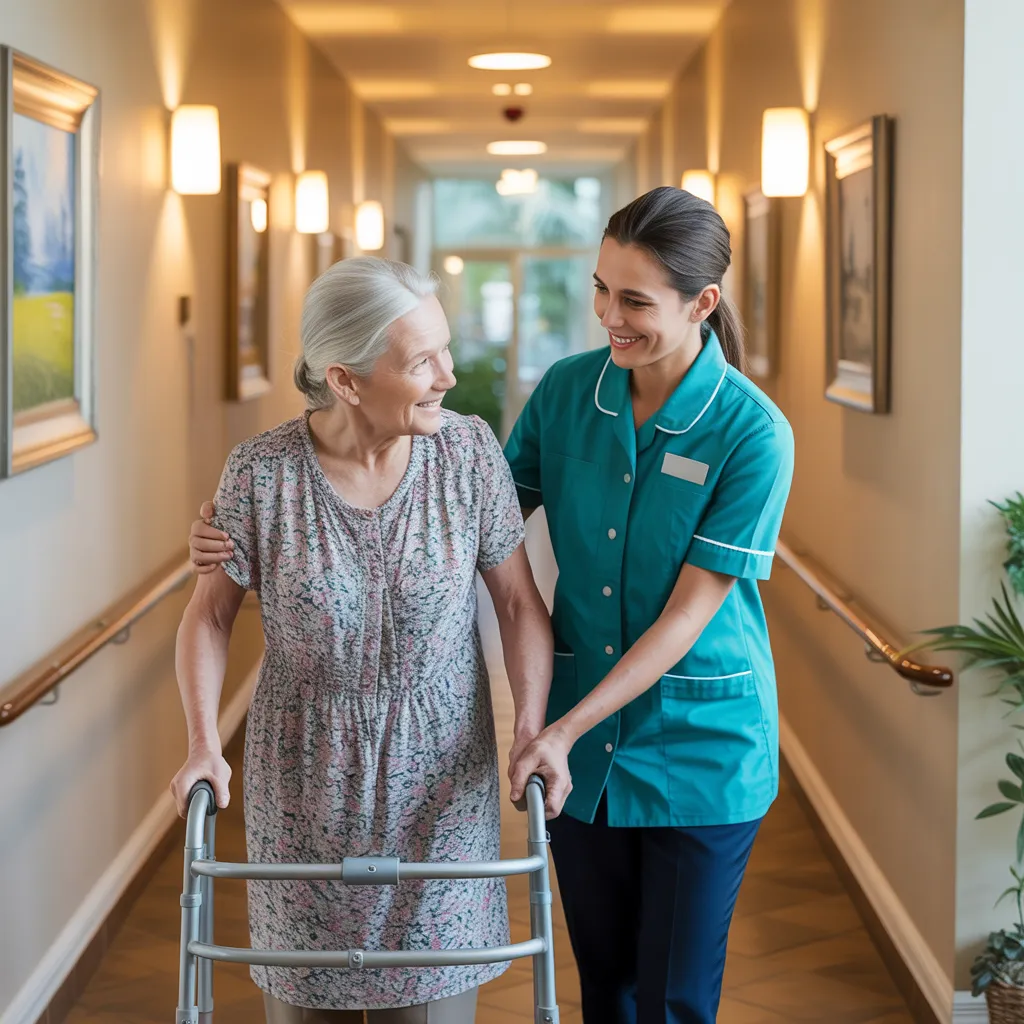
What You Must Know About Personalized Memory Care Options
When considering memory care solutions, it is important to understand how adapted strategies can greatly boost the quality of life for older adults facing mental decline. Adapted memory care solutions are developed to fulfill the unique needs of each person, acknowledging that cognitive decline affects individuals differently. These solutions frequently incorporate personalized programs and schedules that correspond to a senior's preferences, capabilities, and preferences, thereby encouraging engagement and a sense of purpose.
Additionally, staff trained in specialized memory care techniques can offer assistance that honors the independence and respect of each resident. This individualized attention helps in reducing distress and worry, which are common in those with memory impairments. Furthermore, family involvement is promoted, ensuring a holistic approach to care. Ultimately, customized dementia support programs aim to establish an setting where seniors can thrive, fostering both emotional well-being and mental stimulation.
Benefits of Personalized Treatment Plans for Memory Issues
Person-centered care plans make a meaningful difference to solving the particular cognitive struggles encountered by seniors. These personalized methods seek to accommodate varying requirements, guaranteeing that care agrees with the specific mental and emotional needs of each senior. By placing emphasis on personal histories, preferences, and abilities, such plans support a sense of familiarity and comfort, which can diminish worry frequently tied to memory loss.
Moreover, bespoke care plans enhance engagement by incorporating programs that align with seniors' preferences, fostering mental stimulation and social interaction. This customized method can produce enhanced cognitive function and a superior quality of life. Additionally, support professionals equipped with comprehensive knowledge of the senior's preferences can deliver more caring and helpful support, reducing feelings of irritation for all involved. Ultimately, customized care approaches enable seniors, allowing them to manage their cognitive issues with honor and self-assurance.
Established Approaches for Individualized Memory Care Plans
Establishing leading approaches for individualized memory care initiatives requires a broad understanding of each senior's unique needs and preferences. Care providers should prioritize thorough assessments that investigate intellectual functions, physical health, and mental health. This core understanding enables the development of personalized care plans that properly manage specific challenges.
Ongoing employee education is vital, guaranteeing care workers are prepared with the most recent techniques in memory care. Working together with families creates a encouraging environment, allowing care workers to incorporate individual memories and choices into day-to-day activities. Employing modern solutions, including tracking systems and communication tools, can boost protection and involvement.
Furthermore, flexibility in care plans is important; modifications should be made as seniors' conditions progress. Ongoing review of care performance through feedback and assessment guarantees perpetual improvement. By following these best practices, memory care programs can deliver a supportive and responsive environment that encourages respect and quality of life for seniors.
Activities That Strengthen Overall Well-being in Memory Care
Specialized memory care programs not only focus on individualized care plans but also stress the significance of engaging activities that enhance the quality of life for seniors. These programs are created to activate cognitive function while encouraging interpersonal engagement and mental health. Art therapy, musical activities, and horticultural activities can offer artistic opportunities, allowing residents to communicate their feelings and engage with their surroundings.
Structured reminiscence therapy encourages seniors to discuss their past, building a sense of self-worth and meaning. Physical pursuits, such as gentle movement or dancing, help preserve mobility and boost mood. Additionally, sensory experiences—like cooking or pet therapy—can trigger pleasant feelings and improve sensory awareness.
Choosing the Perfect Memory Care Facility for Your Relatives
How can families guarantee they select the most appropriate memory care service for their loved ones? The choice begins with thorough investigation. Families should evaluate the particular requirements of their loved ones, considering elements such as the type and level of memory impairment. Touring potential facilities allows relatives to observe the setting, staff engagement, and available resources.
Caregiver credentials and accreditation are vital signs of excellence. Families should ask regarding staff-to-resident ratios and education given to caregivers. Additionally, it is important to assess the variety of activities and therapies provided, as these can greatly impact residents' quality of life.
To summarize, parents should seek out reviews and testimonials from other families to gather firsthand experiences. By weighing individual requirements with expert guidance, parents can take educated decisions that guarantee their loved ones receive the compassionate and tailored care they warrant.
Commonly Requested FAQs Section
How Can I Evaluate My Loved One's Specific Dementia Care Needs?
To assess distinct memory care needs, one should monitor behavioral changes, communication abilities, daily activity performance, and emotional well-being. Speaking with medical experts for evaluations and seeking input from caregivers can further clarify those requirements.
What Skills Should Exist for Caregivers in Memory Care Facilities?
Employees in residential care facilities should have suitable certifications, professional advice training focused on dementia, proficient communication skills, kindness, and knowledge. Besides, they should demonstrate forbearance and adaptability to effectively deliver services meeting the diverse requirements of residents.
Are Customized Memory Care Services Covered by Insurance?
Coverage for tailored memory care services varies considerably among insurance companies. Many plans may contribute to fees, but it's important for individuals to check specifics with their insurance company to grasp their advantages and constraints.
How Commonly Are Treatment Plans Reviewed and Updated?
Care plans are typically reviewed and updated consistently, often every quarter or twice yearly. This ensures that the evolving needs of people are met effectively, enabling modifications to treatment approaches and support methods as necessary.
What Factors Should I Evaluate During a Facility Tour?
When taking a facility tour, one should observe cleanliness, staff interactions, resident engagement, security protocols, available amenities, and overall atmosphere. Additionally, assessing the facility's approach to individualized treatment and community engagement is crucial for informed decision-making.
Comments on “Browse secure memory care residences”